The Golden Age of
High-Speed Rail
Across continents, high-speed rail systems represent the apex of civic engineering. Operating at speeds exceeding 300 km/h, these marvels of aerodynamics and electrical infrastructure do more than connect cities—they reshape national economies and challenge domestic aviation.
Through stringent aerodynamic design, distributed traction, and dedicated tracks, networks like Japan's Shinkansen and France's TGV have maintained remarkable safety records while drastically reducing transit times. Explore the global leaders in high-speed rail.
Global Networks
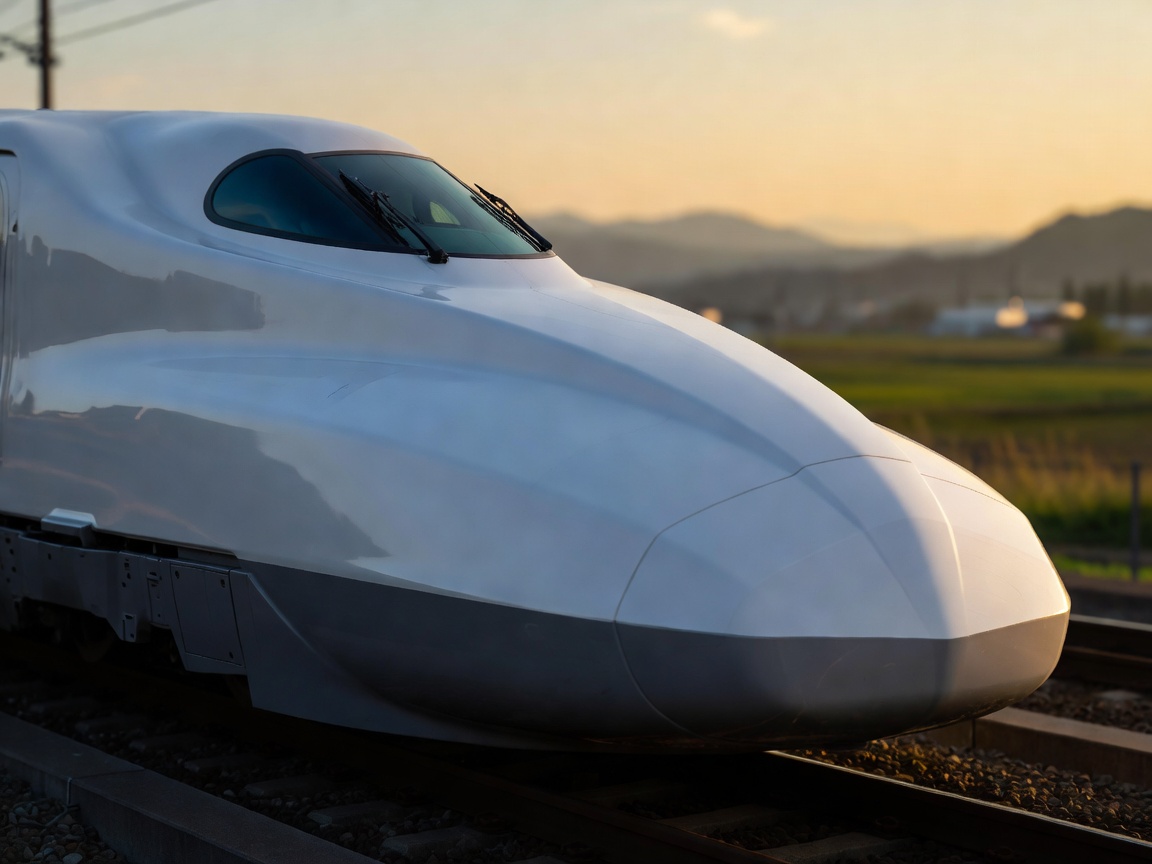
The Shinkansen
The pioneer of dedicated high-speed rail, renowned for its impeccable safety record and sub-minute punctuality.
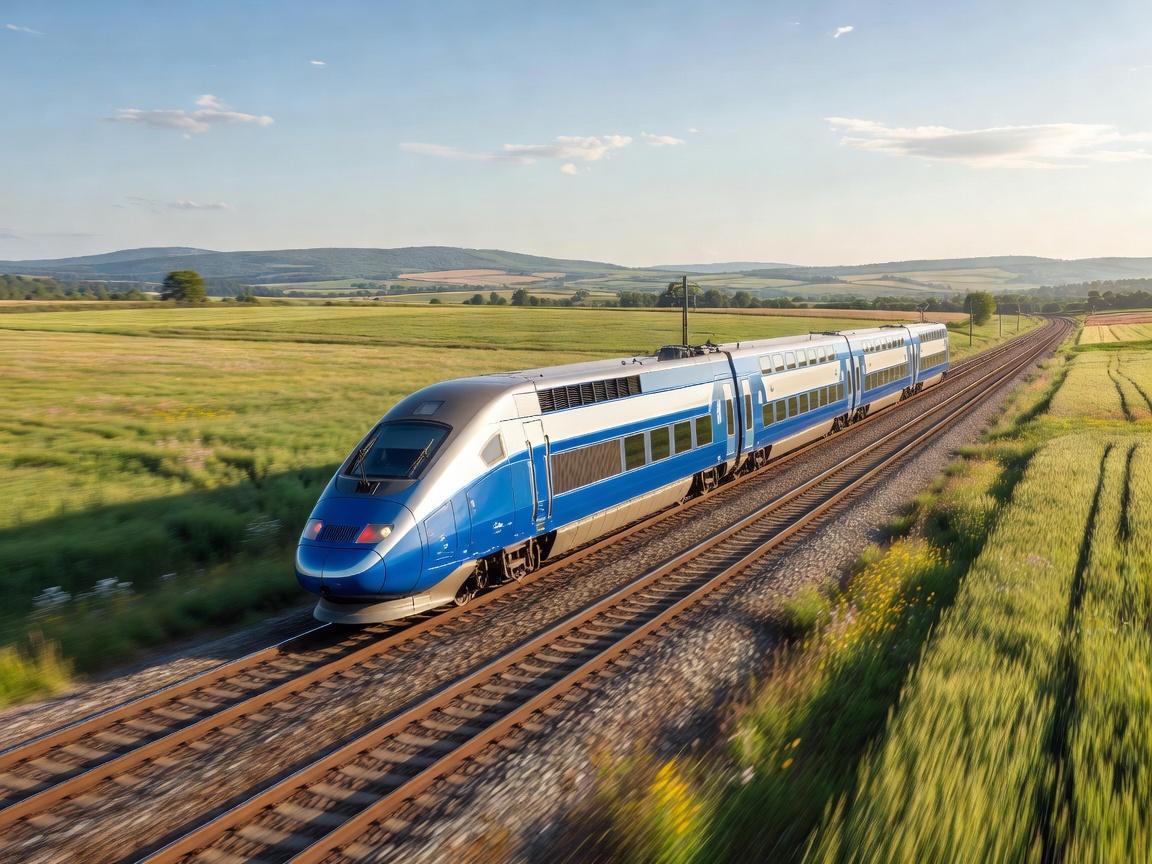
TGV (Train à Grande Vitesse)
Europe's speed champion. Utilizing articulated bogies and dedicated Lignes à Grande Vitesse to shrink the continent.
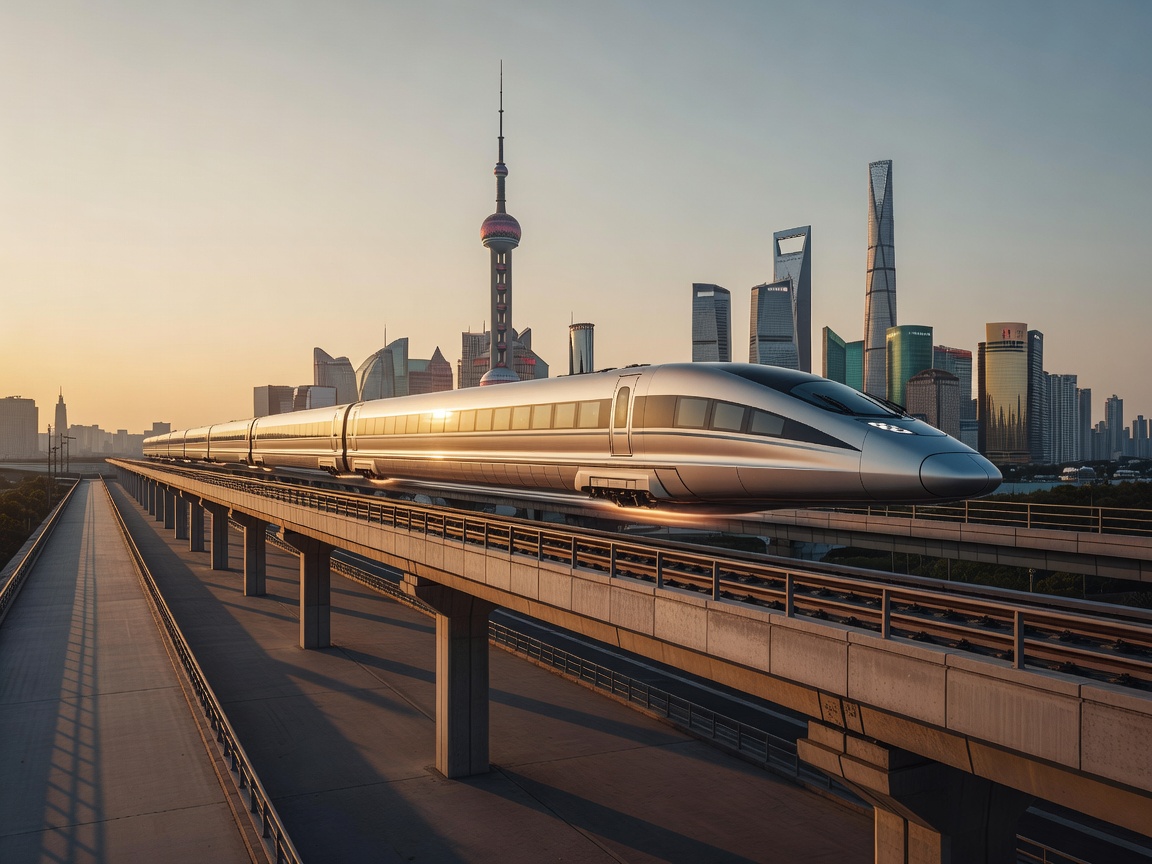
Shanghai Maglev
Operating on magnetic levitation rather than steel wheels, this system offers unparalleled commercial speeds of 431 km/h.
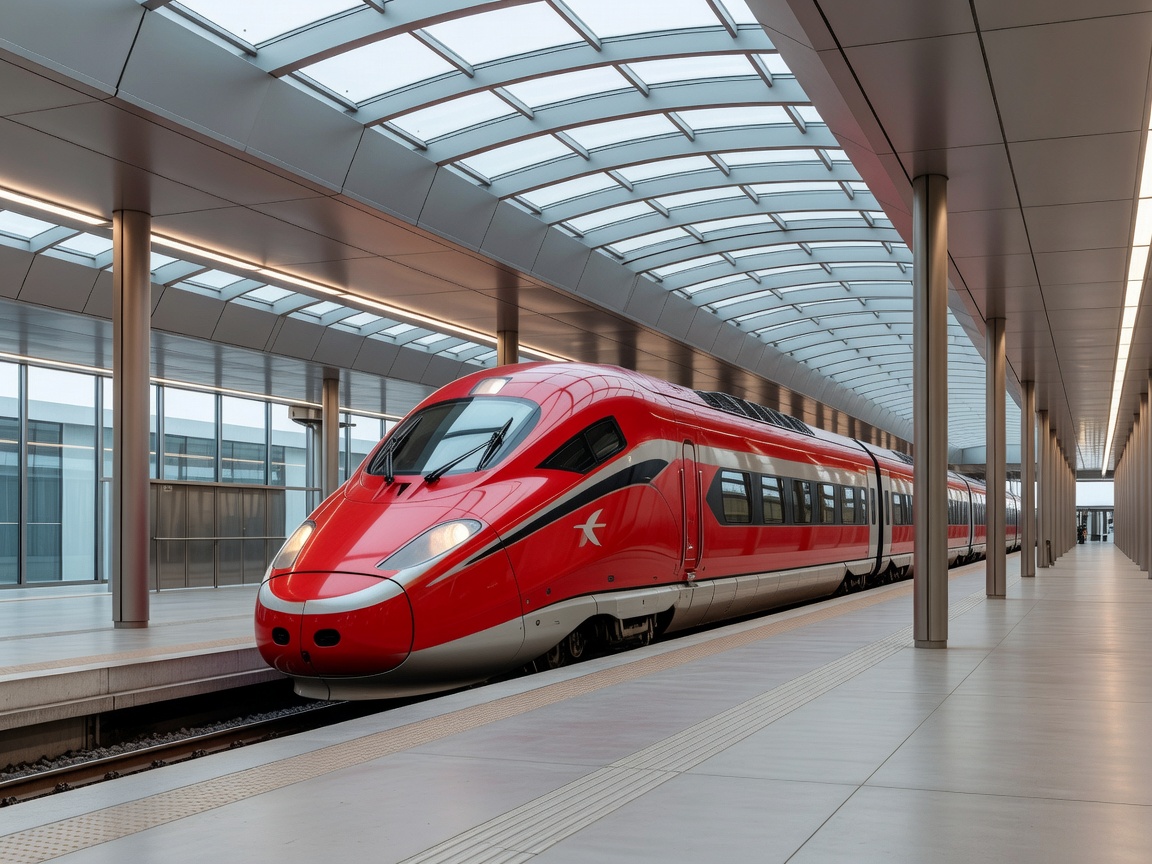
Frecciarossa
The 'Red Arrow' merges high-speed capability with renowned Italian design, linking Turin, Milan, Rome, and Naples.
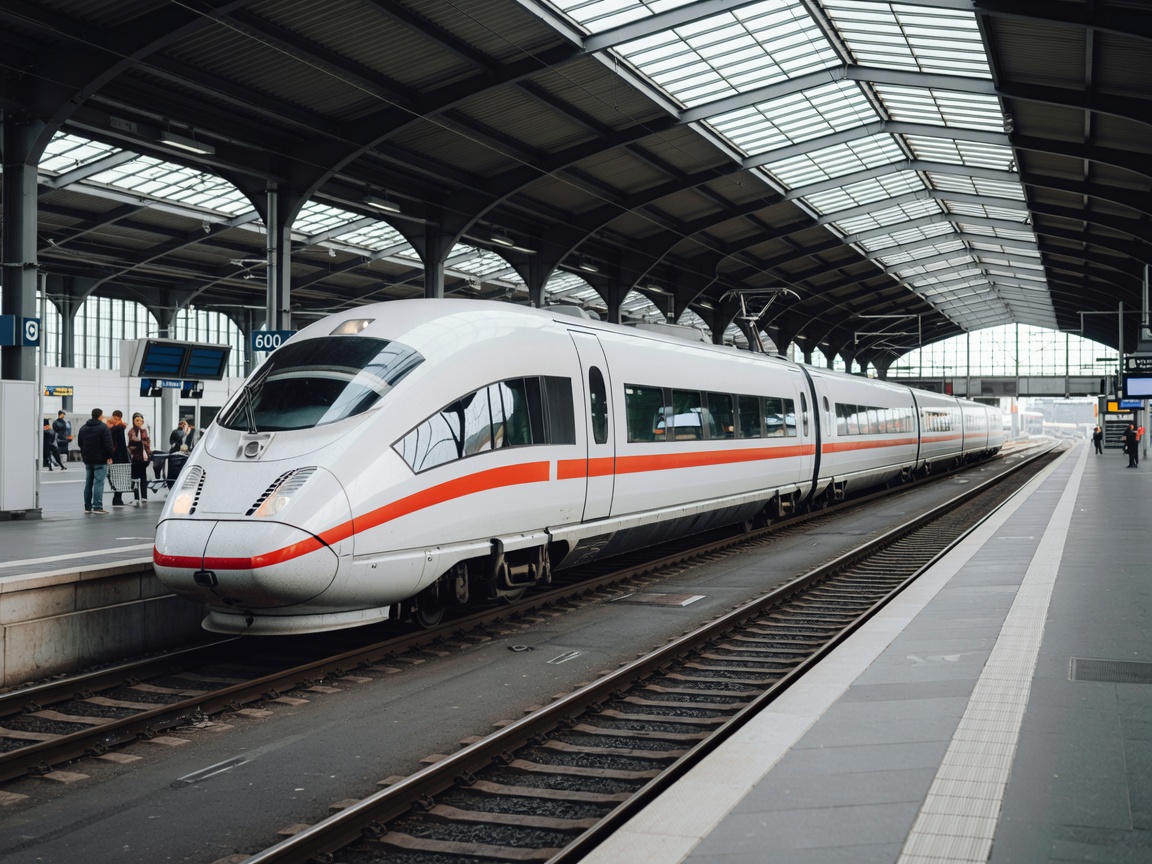
Intercity Express (ICE)
A flexible, distributed-power network seamlessly integrating high-speed trunk lines with legacy domestic railways.
The Future of Rail Topography
The push for sustainable, rapid transit is driving a second renaissance in rail technology. As concerns regarding domestic aviation emissions grow, governments are increasingly investing in next-generation rail infrastructure. The defining engineering challenge of the 2020s has been the mitigation of aerodynamic noise at speeds exceeding 350 km/h, which leads to phenomena such as micro-pressure waves when trains enter tunnels.
Innovations like pantograph noise reduction and biomimetic front-end designs (famously inspired by the kingfisher beak for the Shinkansen 500 series) continue to evolve. Concurrently, the economic friction of building dedicated tracks—which can cost upwards of $30 million per kilometer in dense topographies—has forced planners to weigh the benefits of magnetic levitation against highly optimized traditional steel-on-steel systems.
While Maglev technology eliminates rolling resistance and allows for greater gradients, standard high-speed rail retains the massive advantage of interoperability with existing legacy networks. This is most evident in the German ICE system, which utilizes high-speed trunks between major nodes but can still complete the final leg of a journey on conventional tracks. The next decade will likely see standard rail pushing the physical limits of wheel adhesion, while Maglev remains reserved for specific, ultra-high-demand point-to-point corridors.